Portfolio

Cyanotype

When light writes in blue

Locally made by Cecile Au Zen

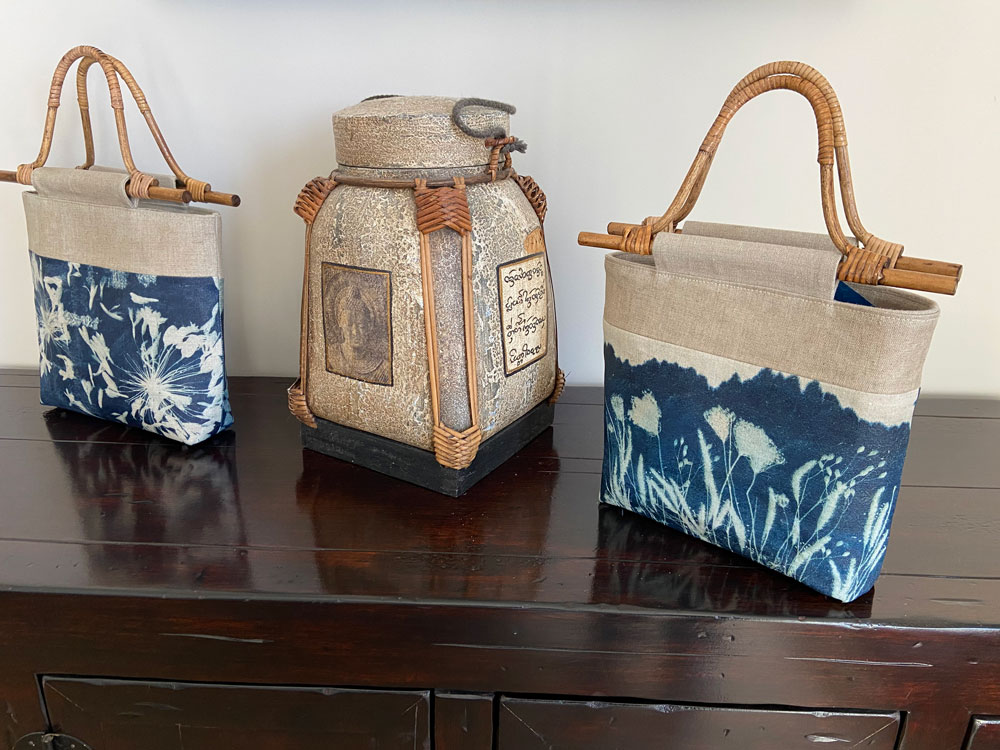
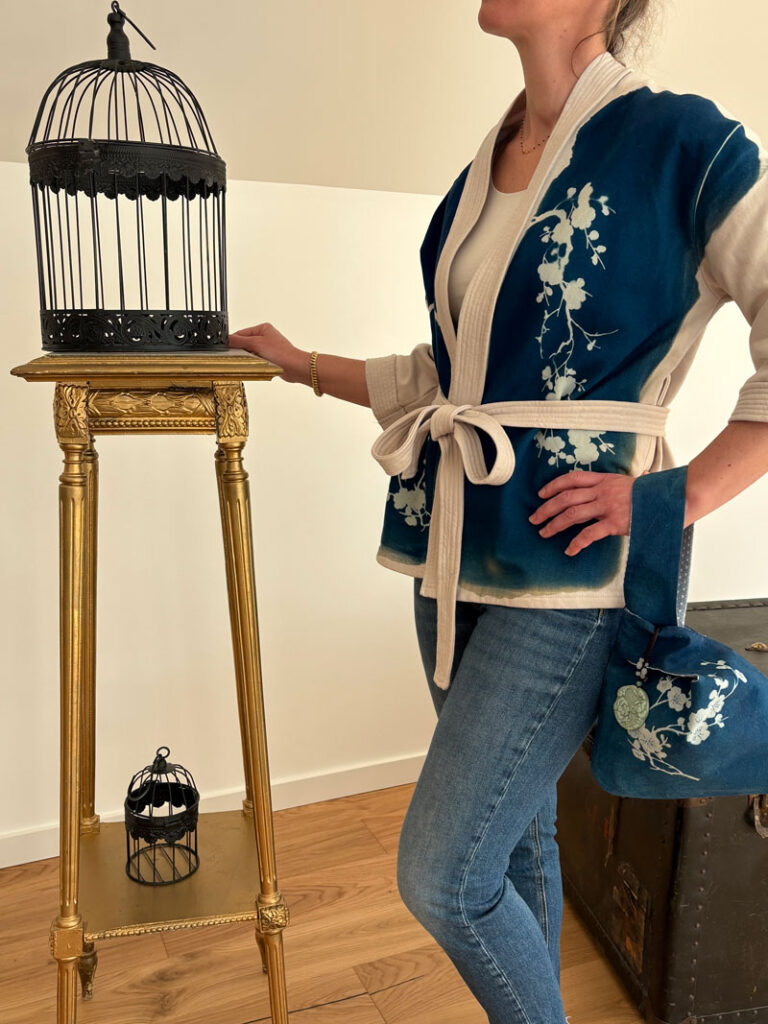
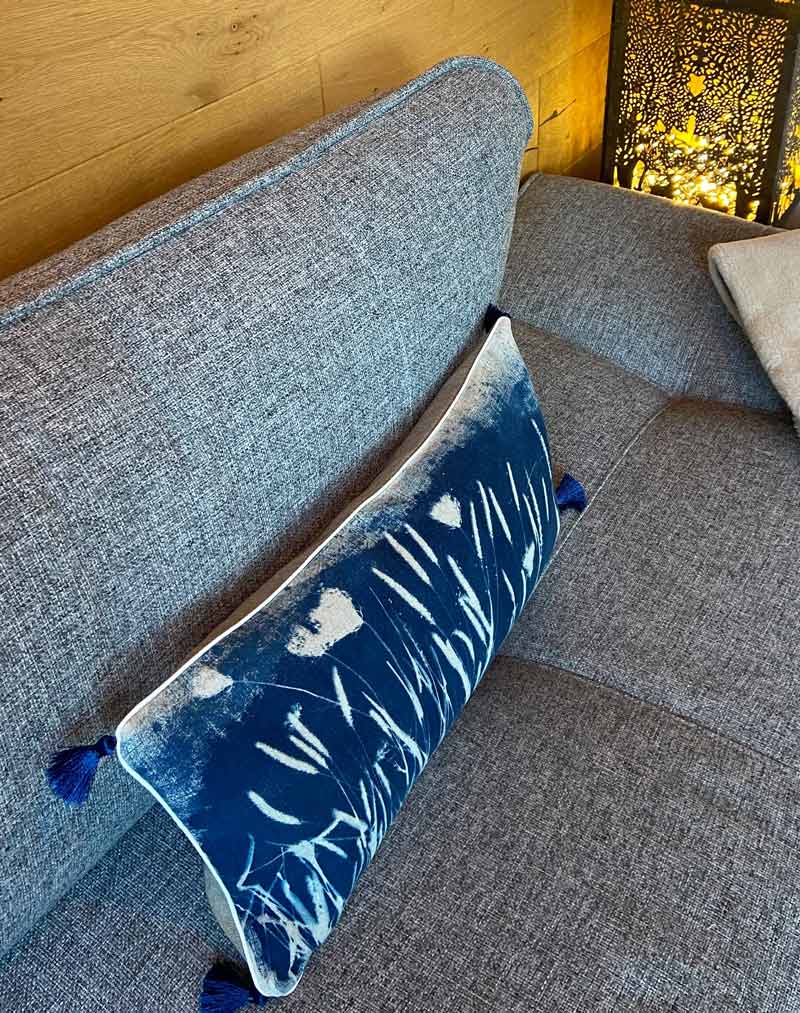
Approaching the cyanotype technique means stepping into a world where blue breathes, where shadows whisper, and where each piece of fabric retains a touch of poetry and mystery. Each fabric becomes a page open to the sky. Under the sun, the silhouettes of plants are imprinted with an unexpected gentleness. Each piece carries within it the beauty of a captured moment, delicately enchanted.

The cyanotype technique allows for great creative freedom in visual compositions. It is a beautiful example of the fusion between art, science, and nature. It requires a different perspective on nature and plants, inviting vegetation such as roadside grasses, ferns from the undergrowth, and many others to express their beauty on fabric through slender forms and delicate lines. Some plants are easier to work with, while others need to be gently tamed so that life continues to flow through them and imprint itself at the moment of contact with UV light.
There is magic both in the preparation and at the moment of rinsing.

Shibori

Gesture as an art

Locally made by Cecile Au Zen

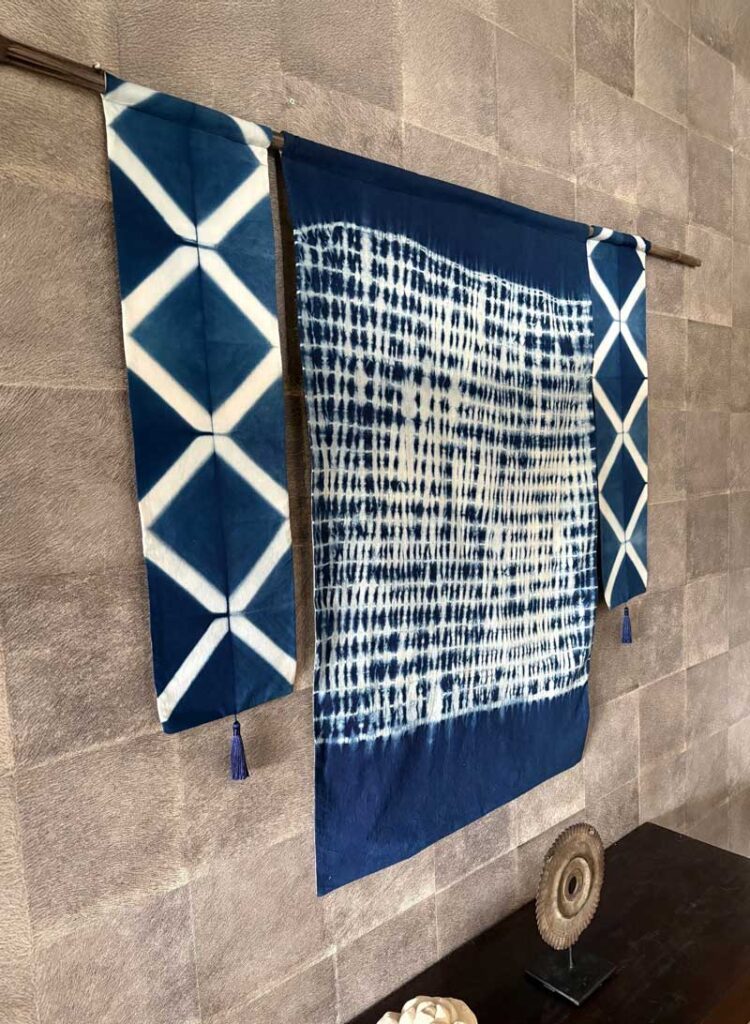
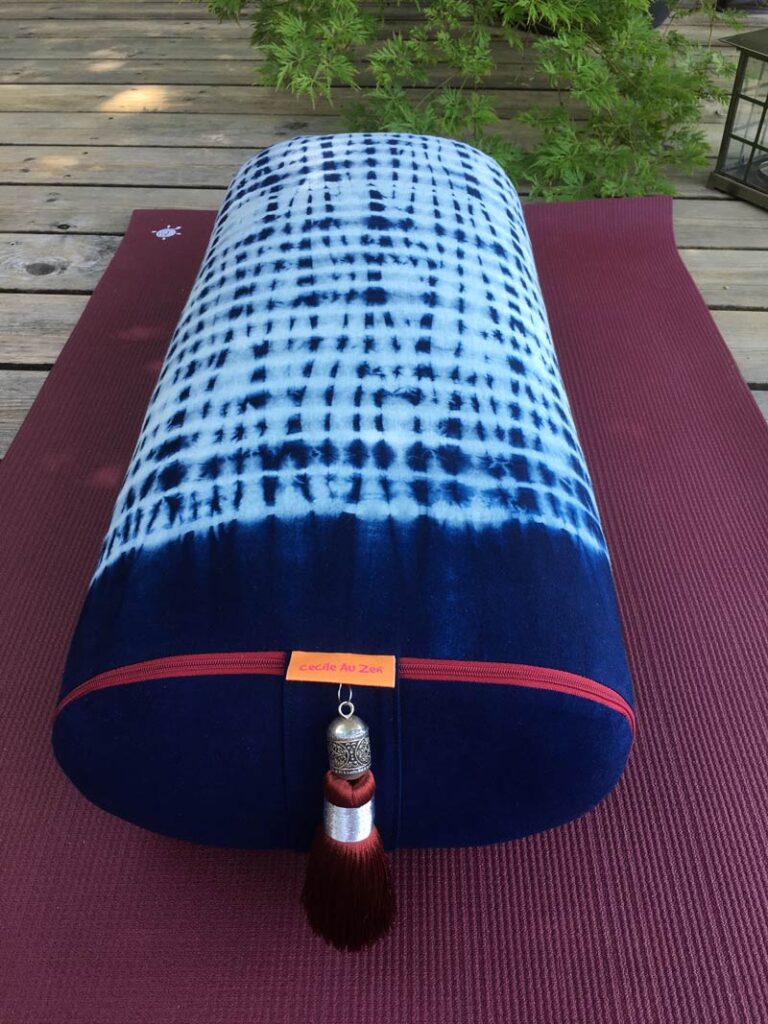
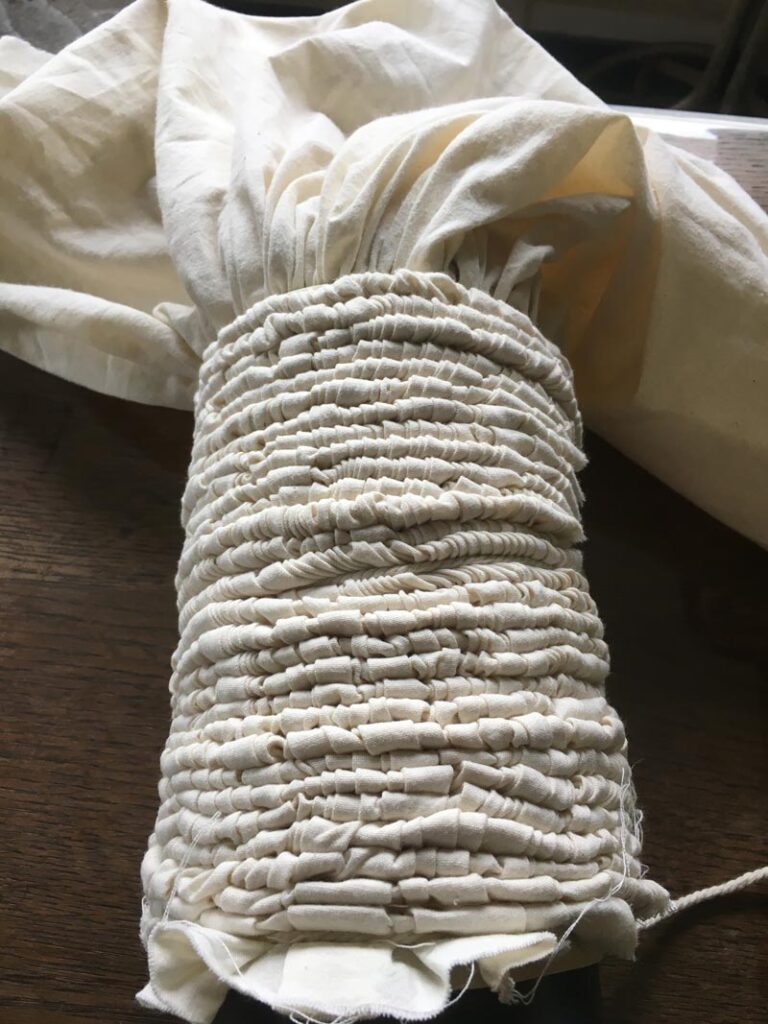
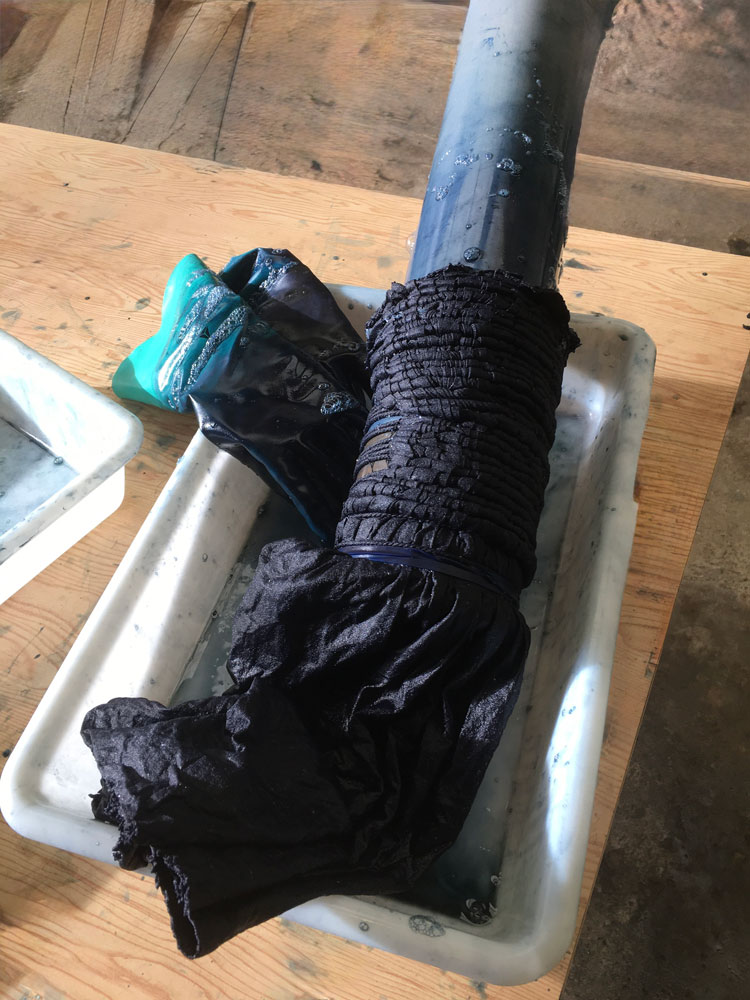
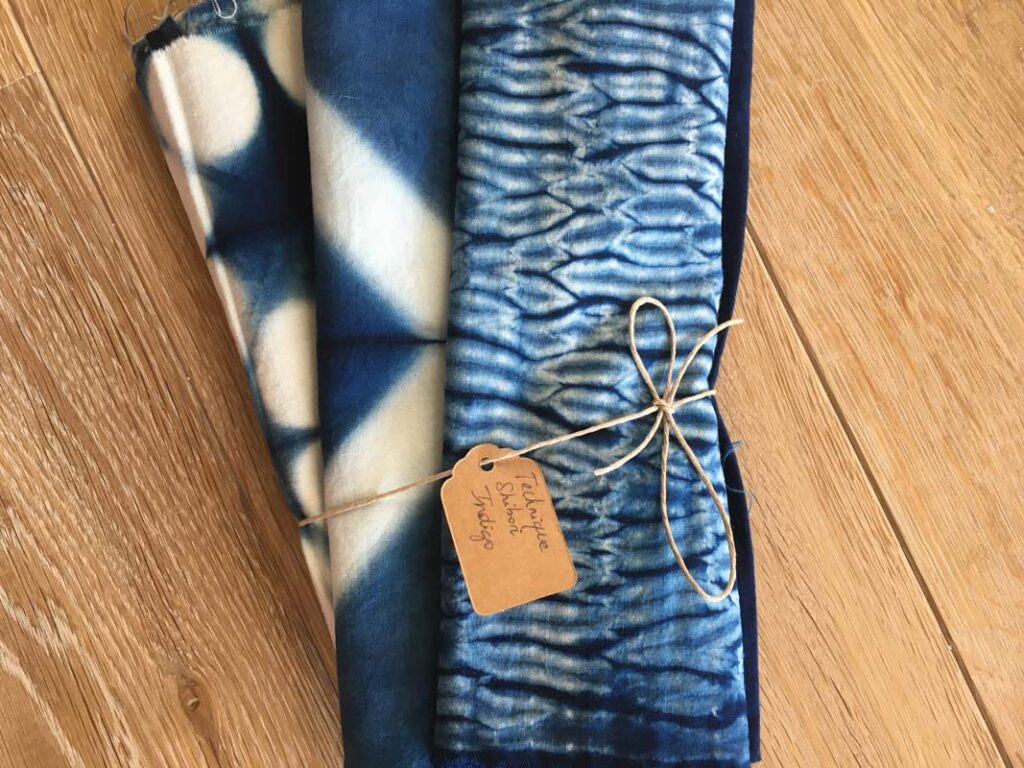
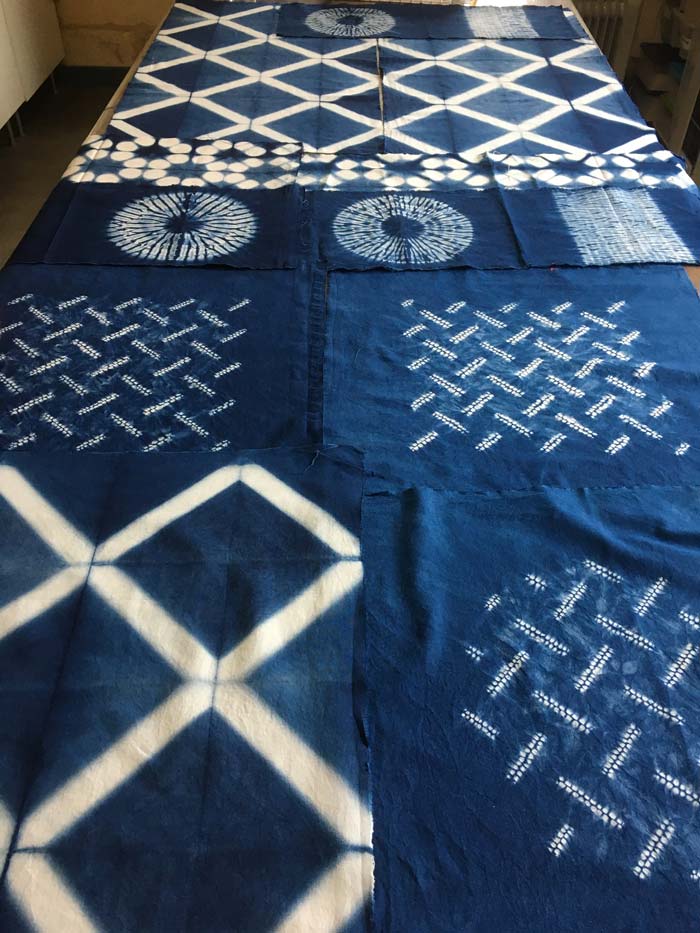
Shibori is an ancient Japanese textile technique of resist dyeing, in which patterns are created by tying, folding, twisting, stitching, or compressing the fabric before it is immersed in a dye bath, traditionally using indigo. Where the dye cannot penetrate, light remains. Where it seeps through, it reveals a vibrant blue. Between mastery and chance, the fabric tells a unique story, made up of sinuous lines and luminous veins; the result is always singular.

The technique encompasses many variations, such as kanoko (similar to tie-dye), itajime (folding and compressing between two boards), arashi (wrapping around a pole), and kumo (spiderweb patterns). Folding, tying, waiting for the dye to penetrate… It is a slow, meditative, almost introspective process.

Painting on linen

This is where Mona & Cecile Au Zen meet.

Locally made: Mona & Cecile Au Zen

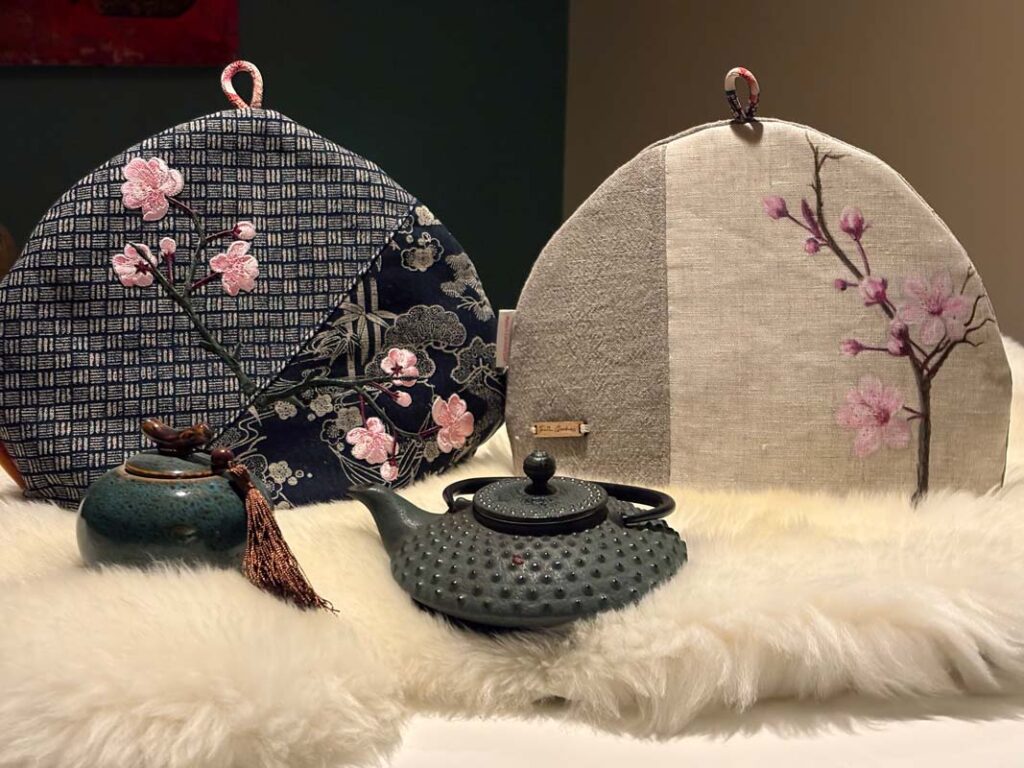
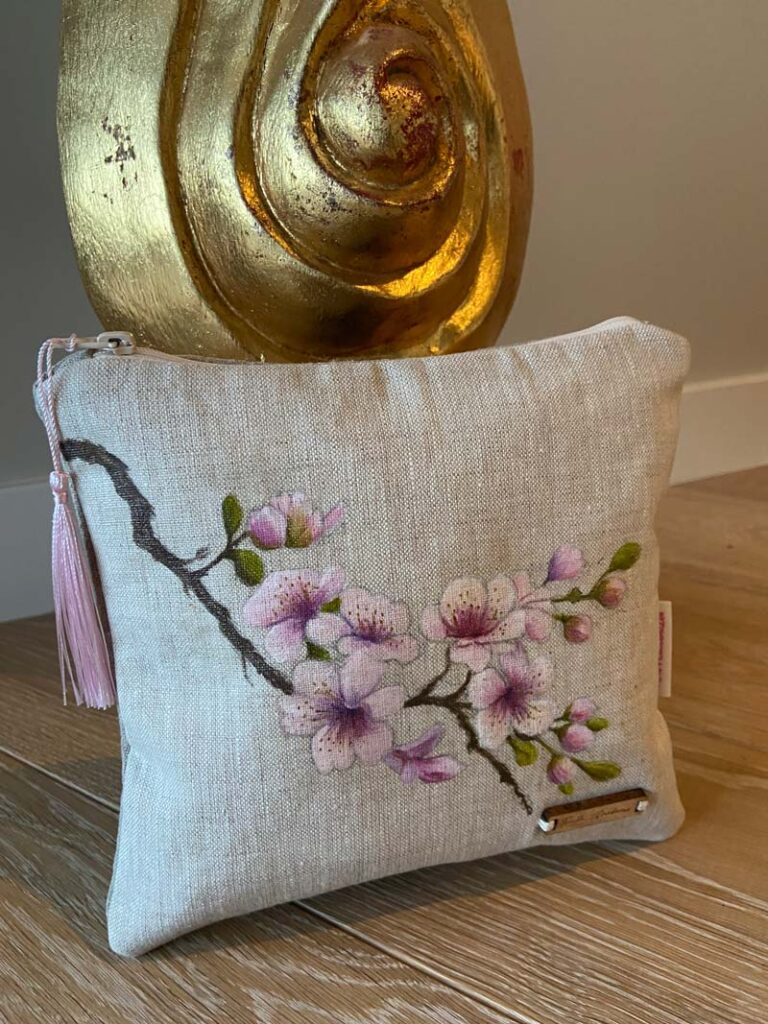
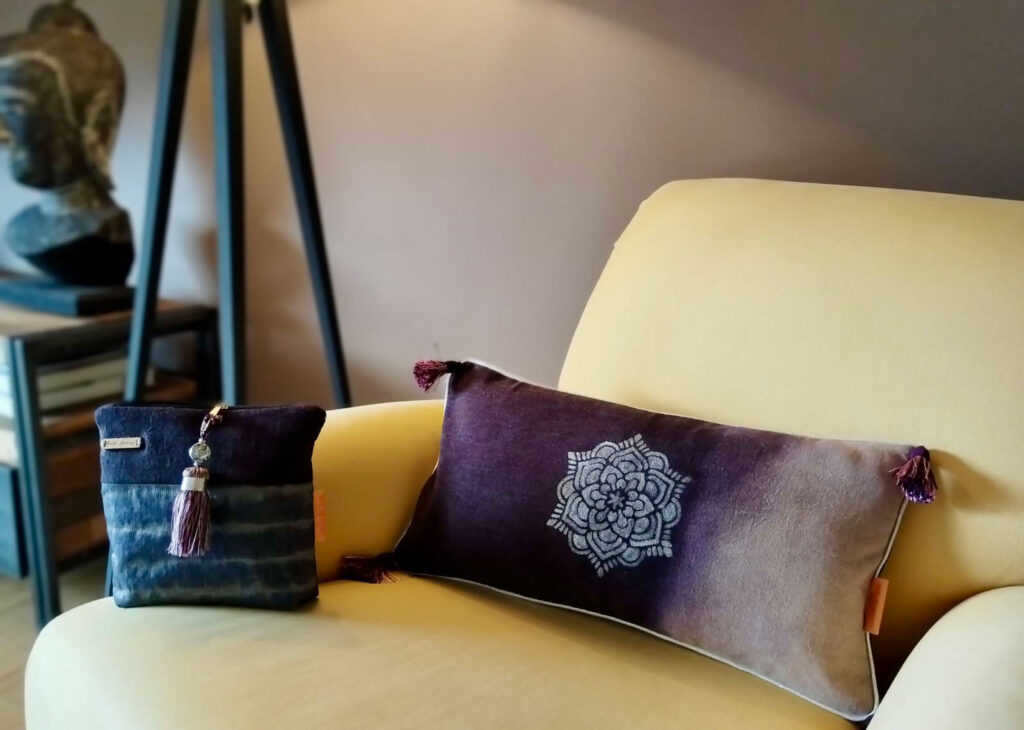
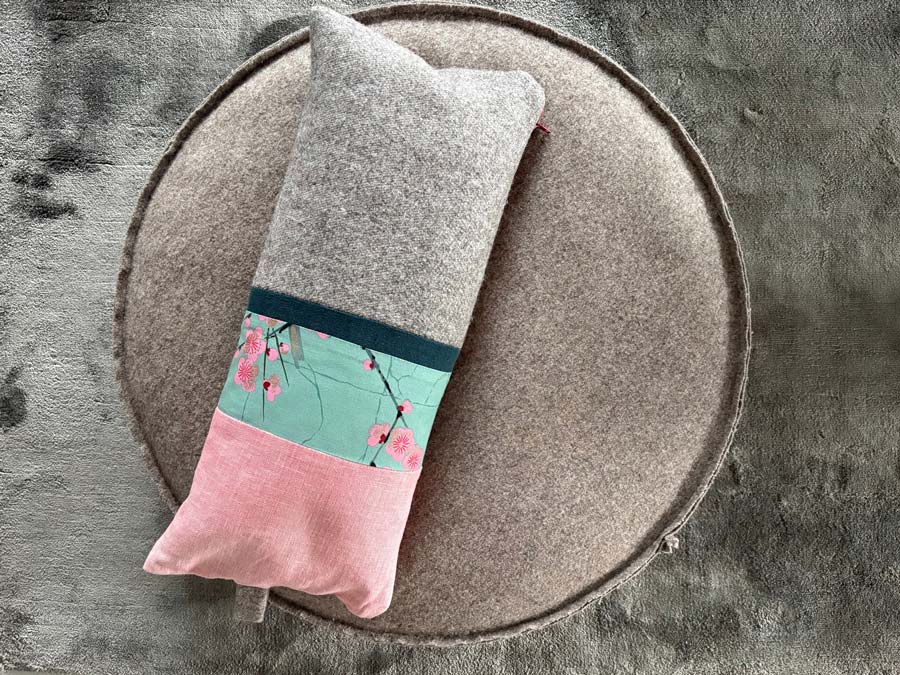
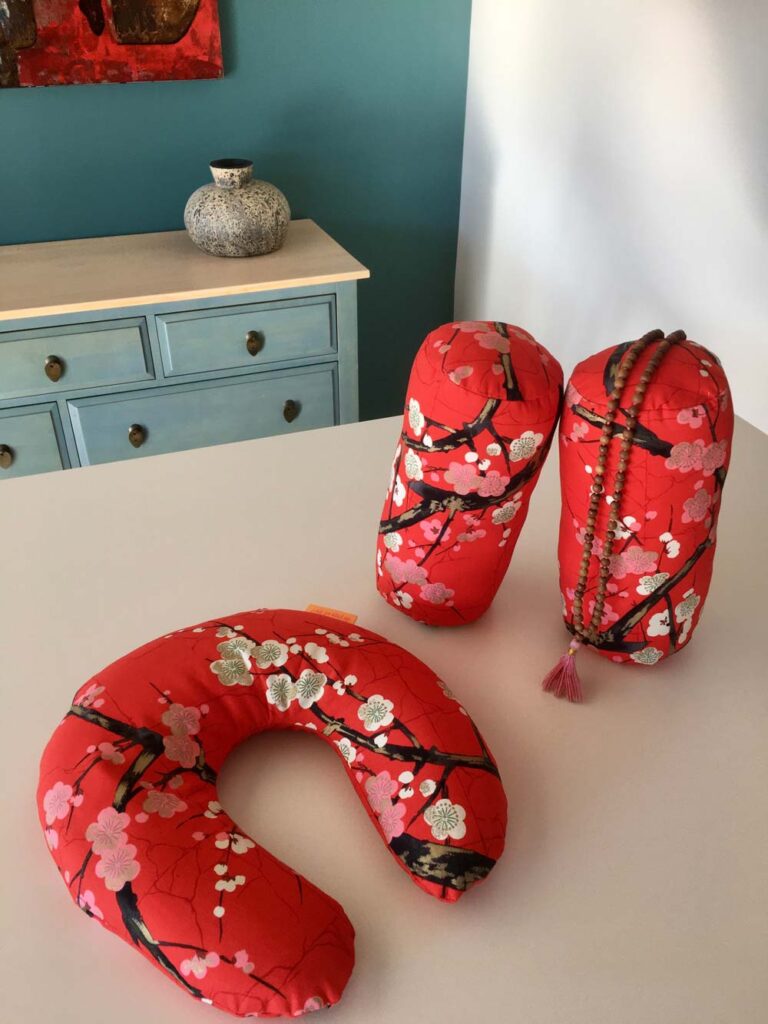
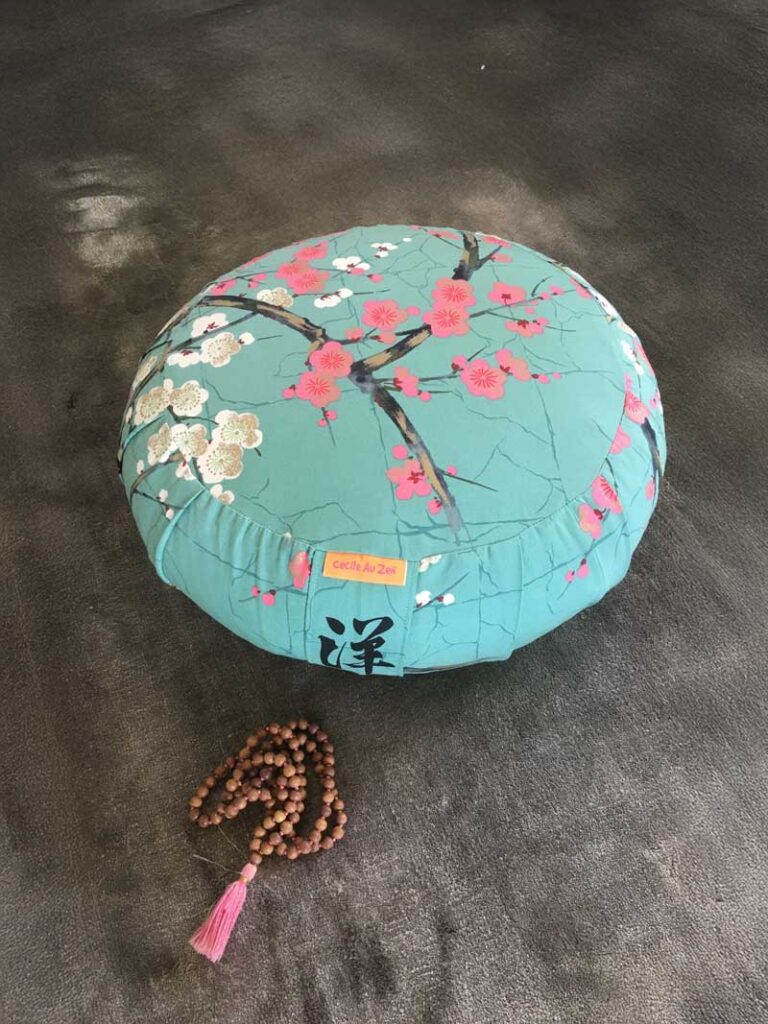
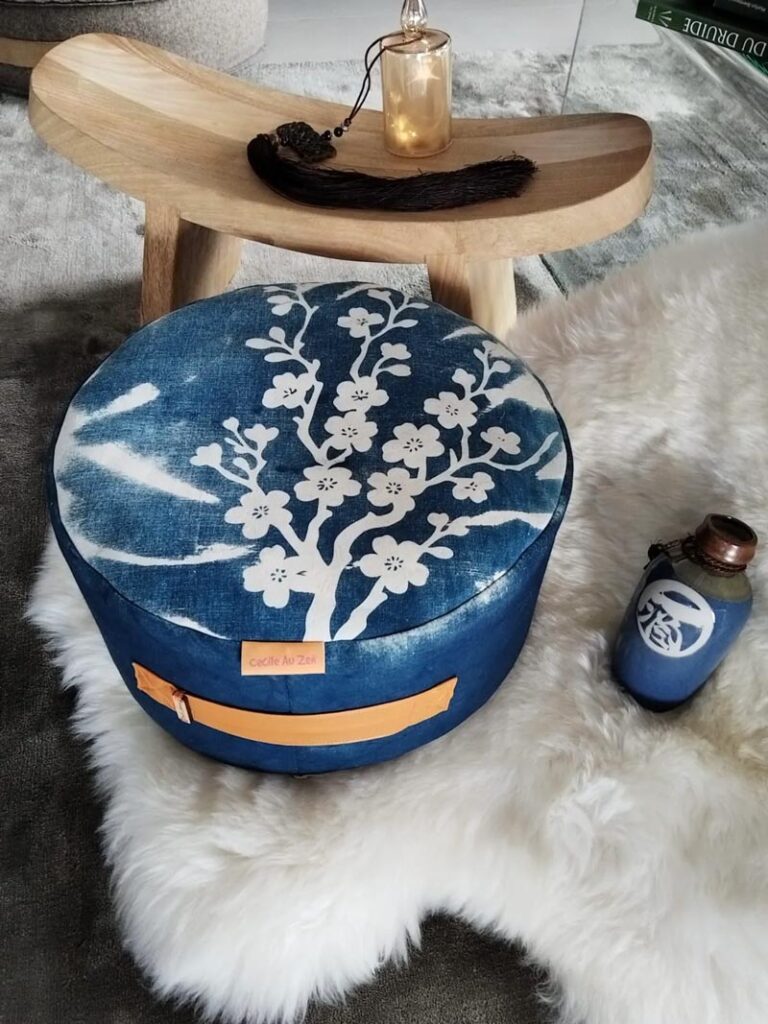
Designs inspired by sakura (cherry blossoms), Zen dry gardens, and calligraphy. One-of-a-kind pieces, handpainted on linen.

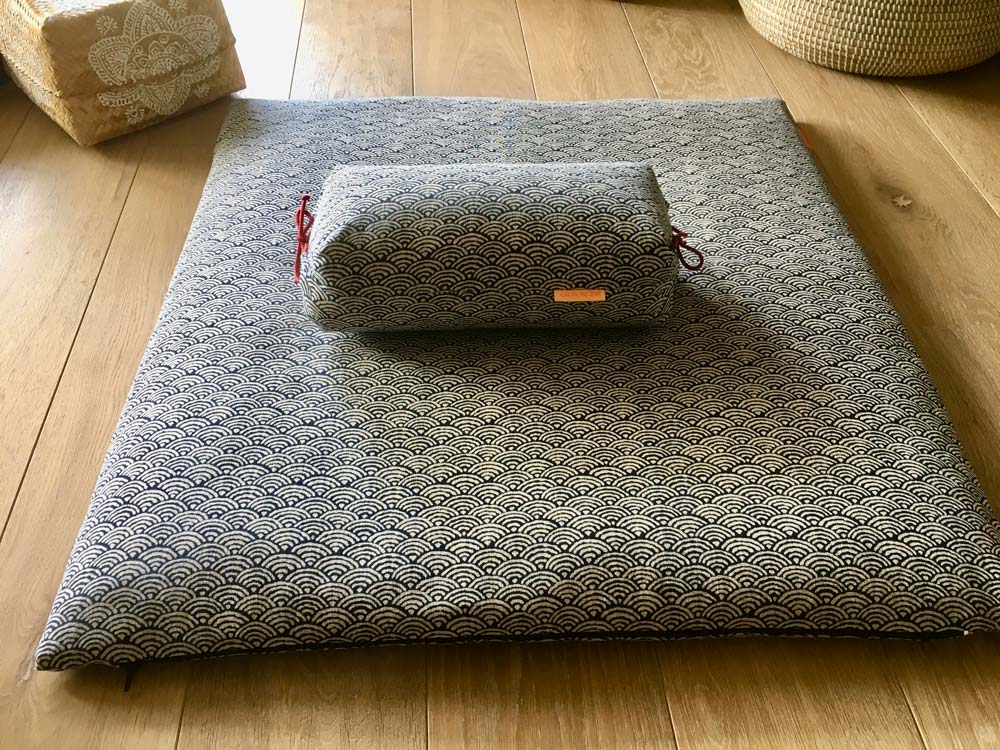
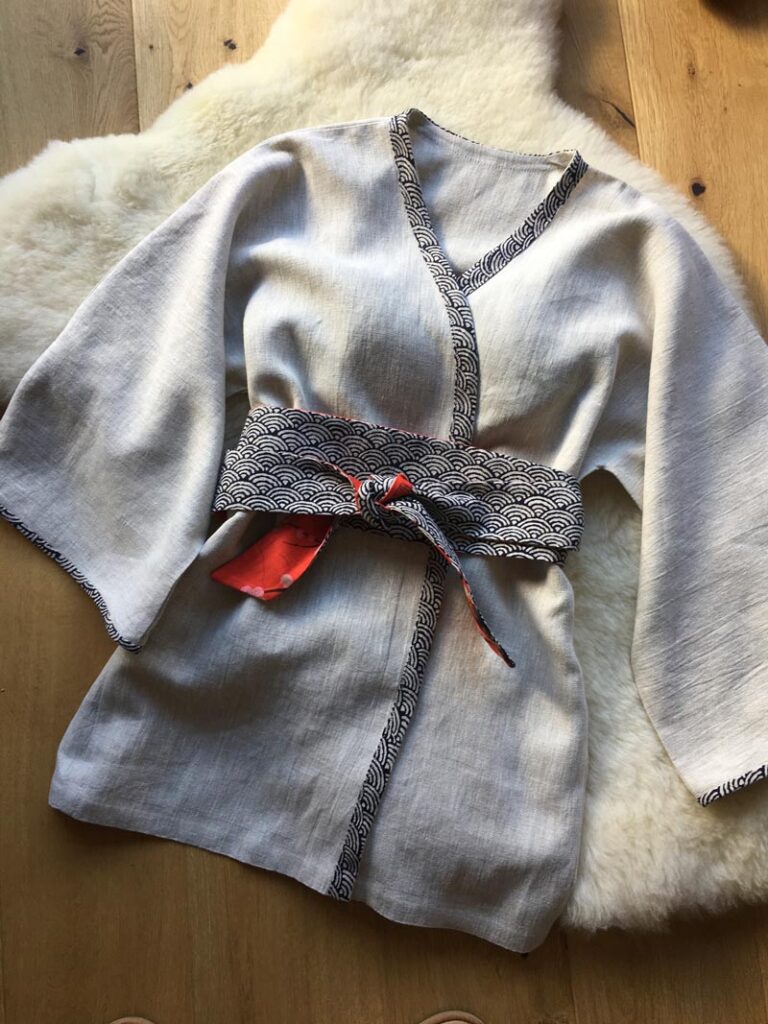
Handcrafted Japanese fabrics

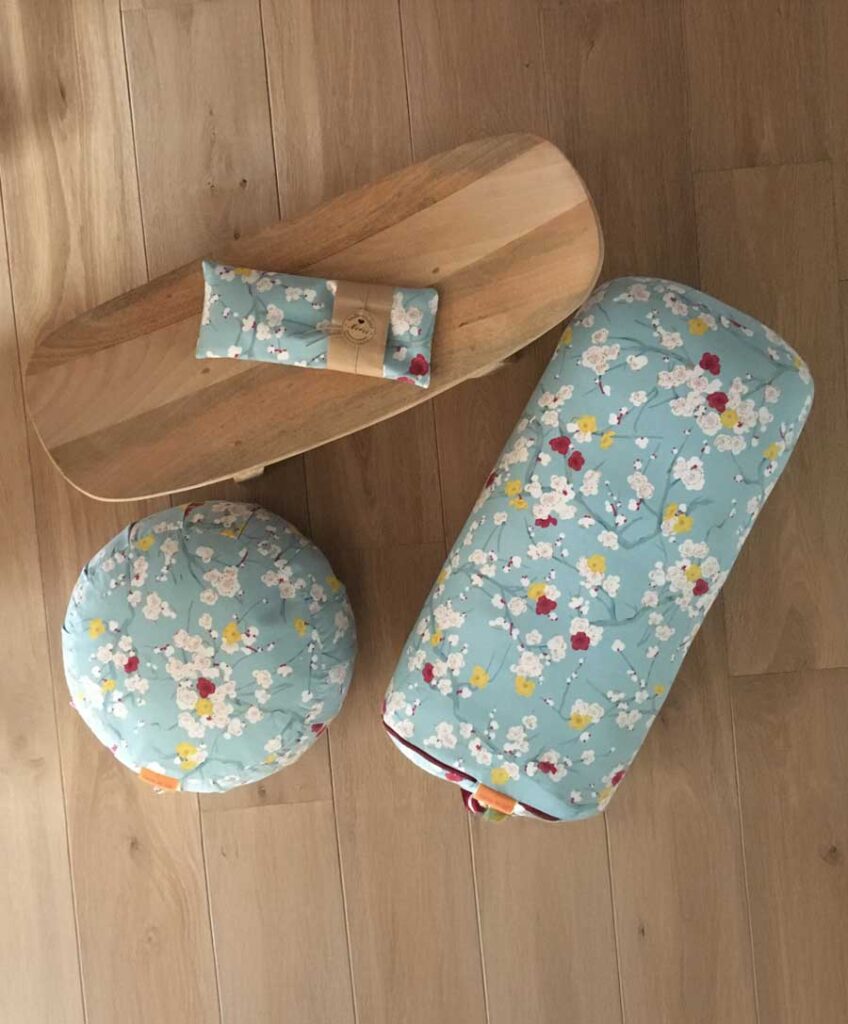
Creations made out of fabrics imported from Japan

Locally made by Cecile Au Zen

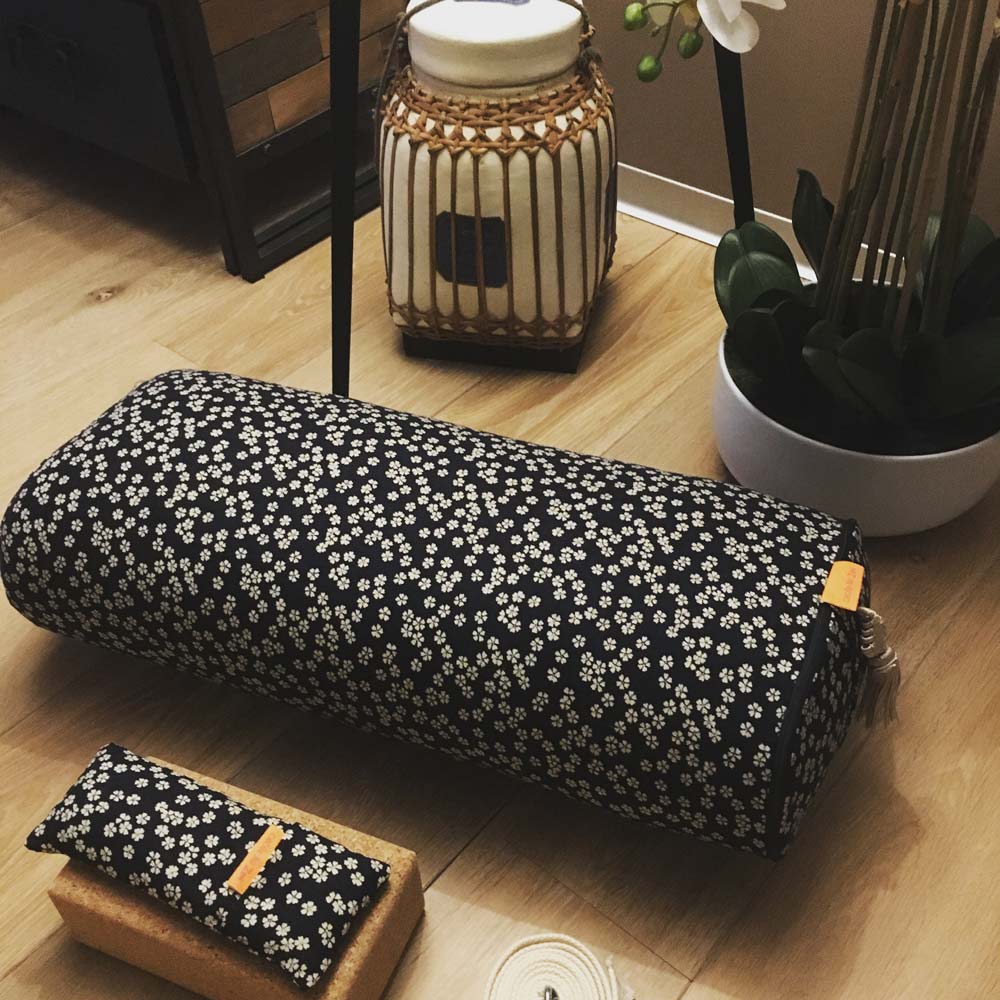
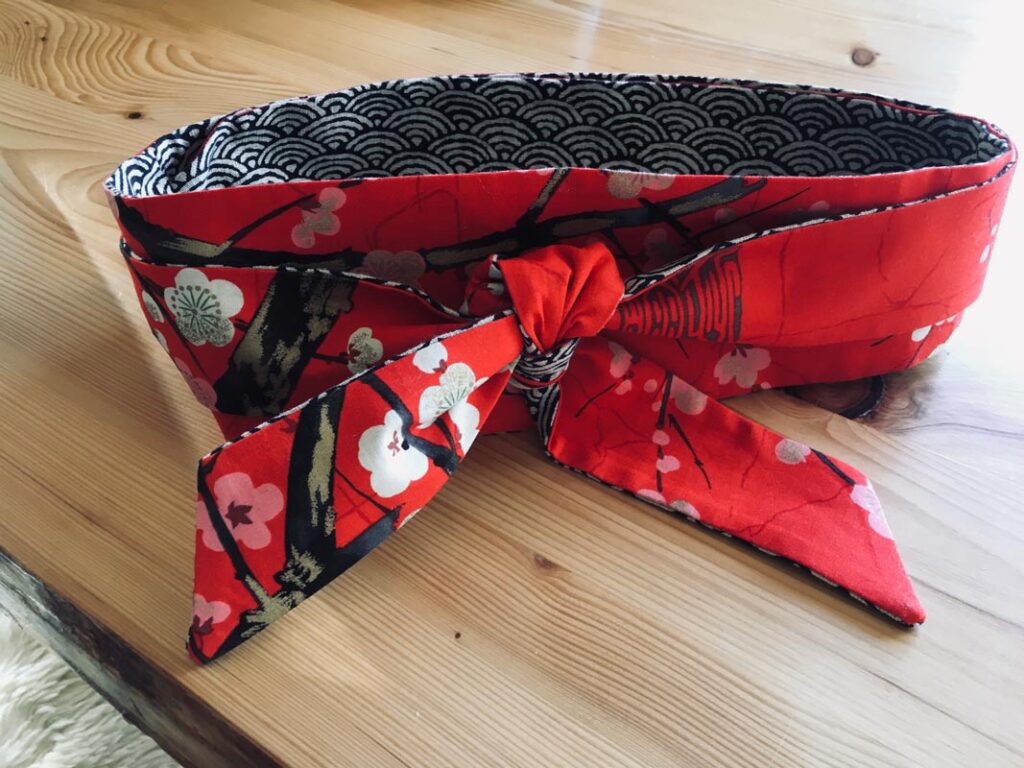
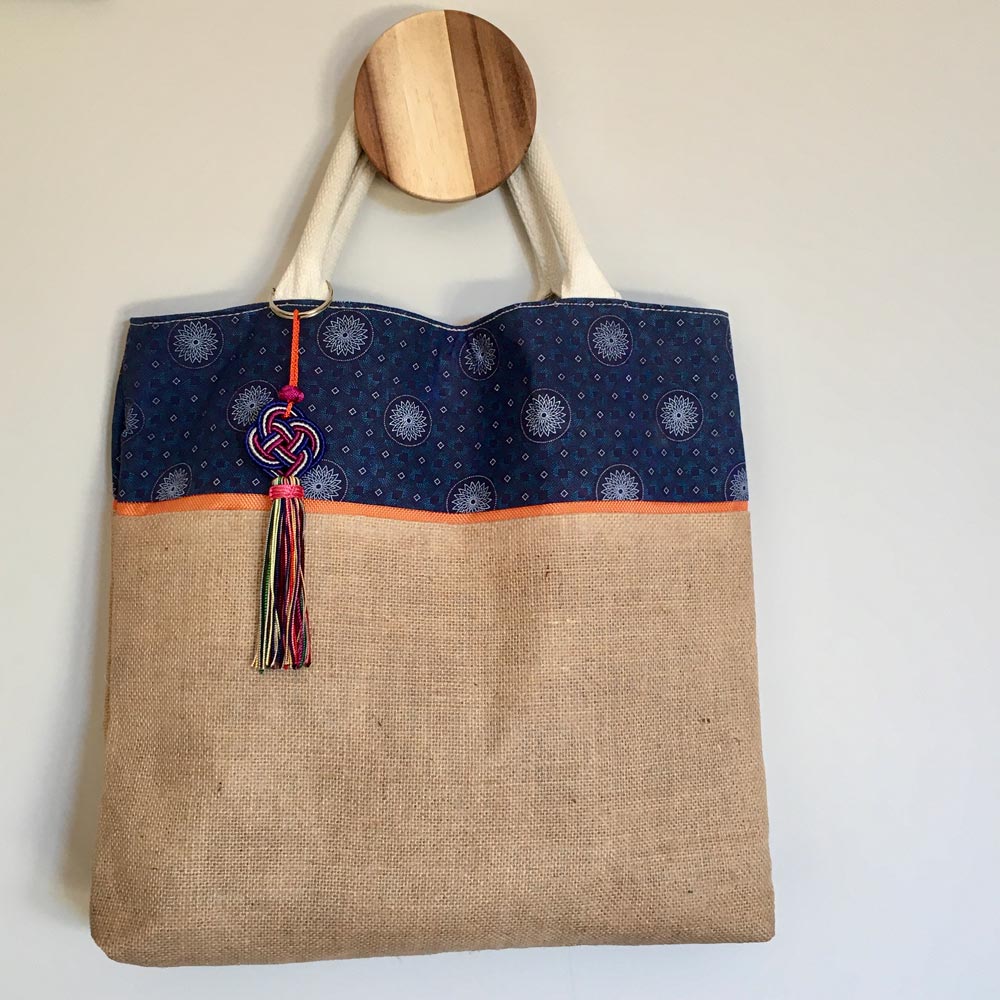
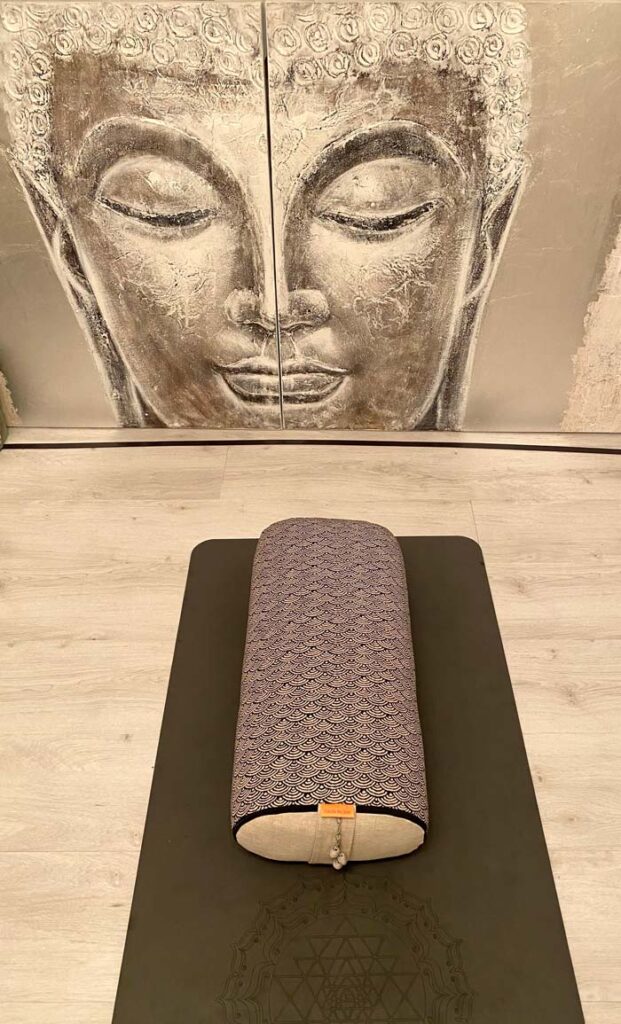
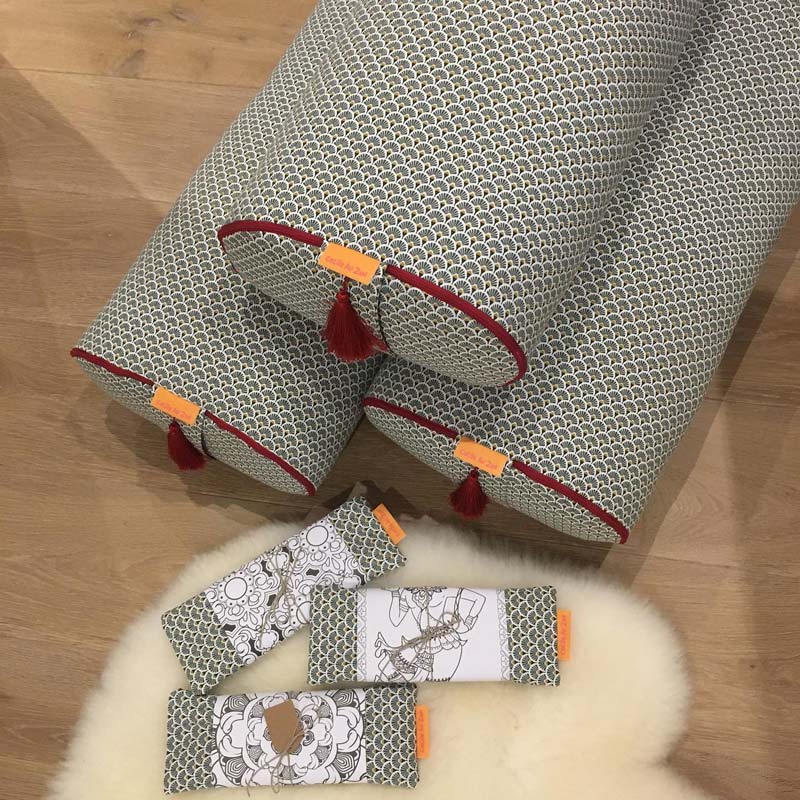
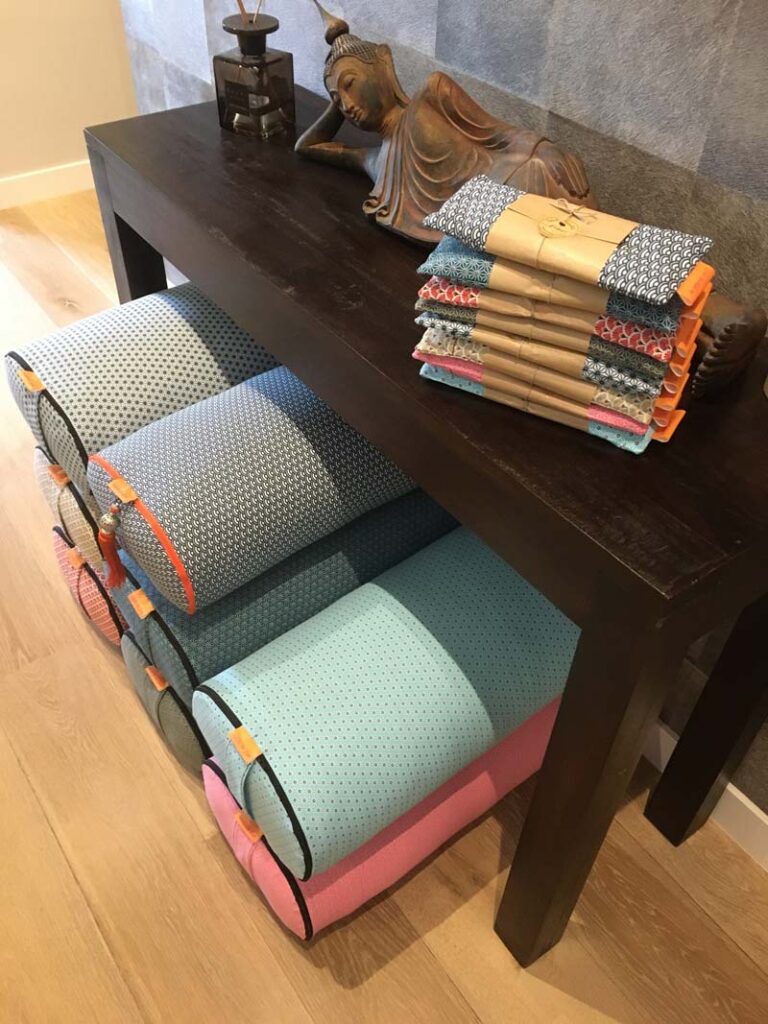
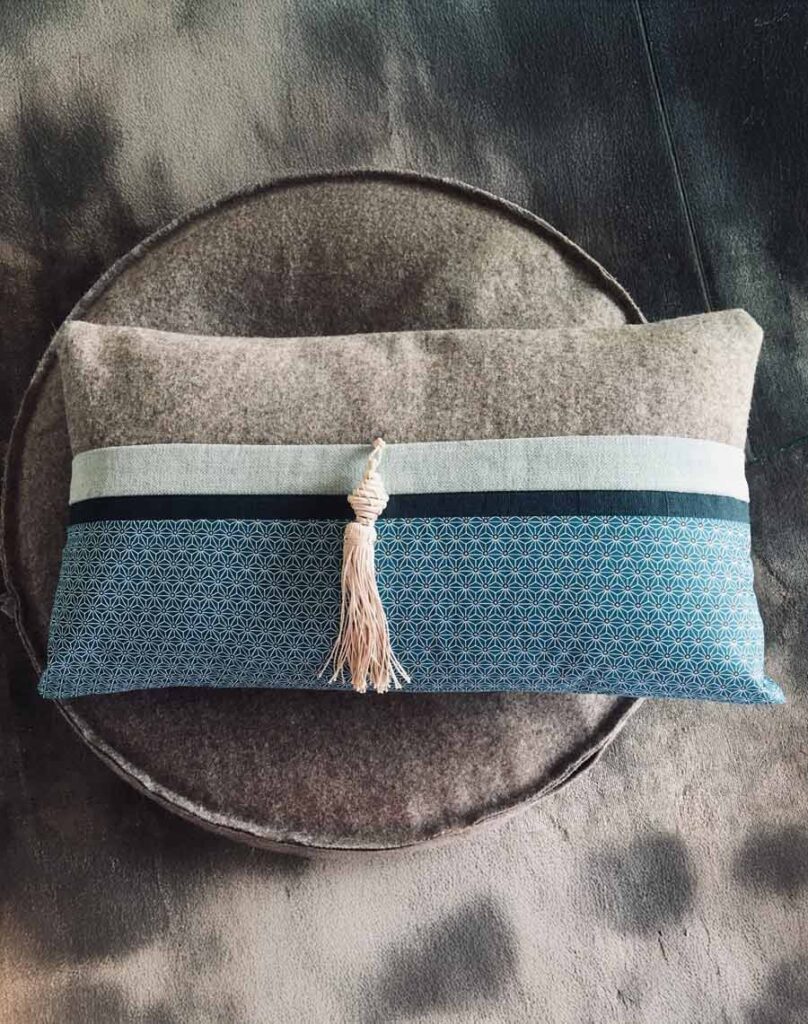
Japanese artisanal fabrics tell a story of simplicity, patience, and a deep connection to nature. Woven from natural fibres, these textiles do not seek mechanical perfection, but instead celebrate a profoundly Japanese aesthetic found in the concept of wabi-sabi. Geometric patterns are not merely decorative; they often carry symbolic or cultural meaning: they frequently reflect nature (waves, leaves, shells) and express an appreciation for simplicity and imperfection. Some are believed to bring good luck or protection, which influences their use depending on the occasion.

Deeply drawn to rustic weaves, indigo hues, and Japanese patterns; I find in these fabrics an understated elegance and an infinite palette of color combinations.

Shweshwe

Creations made out of fabrics imported from South Africa

Locally made by Cecile Au Zen

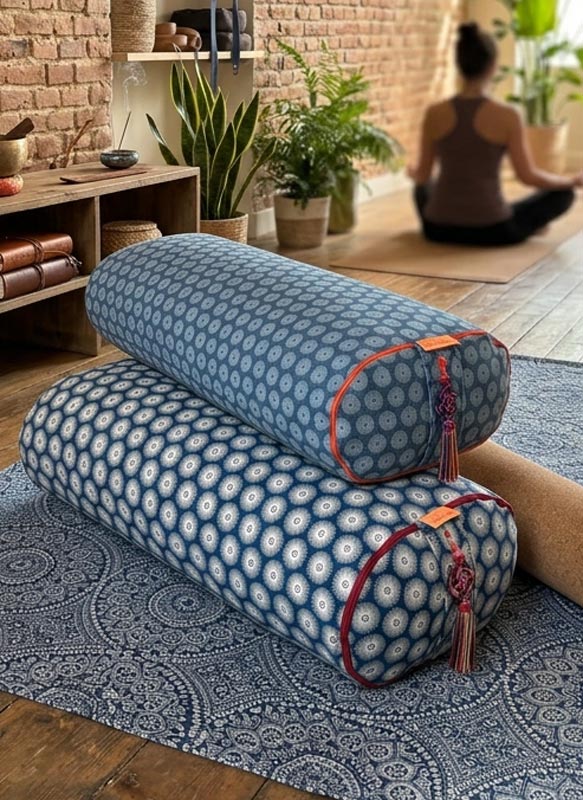
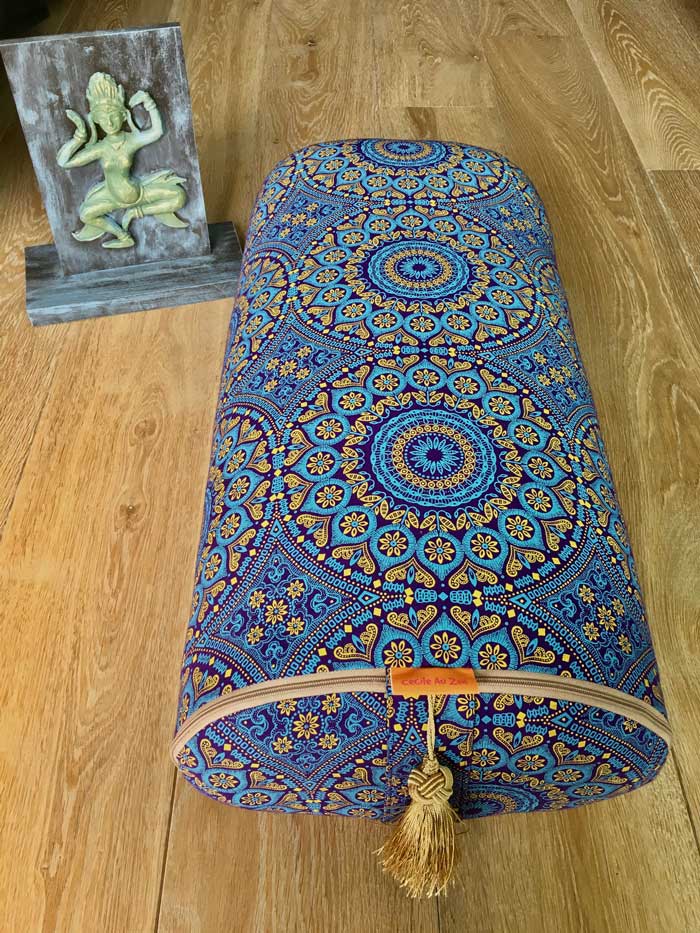
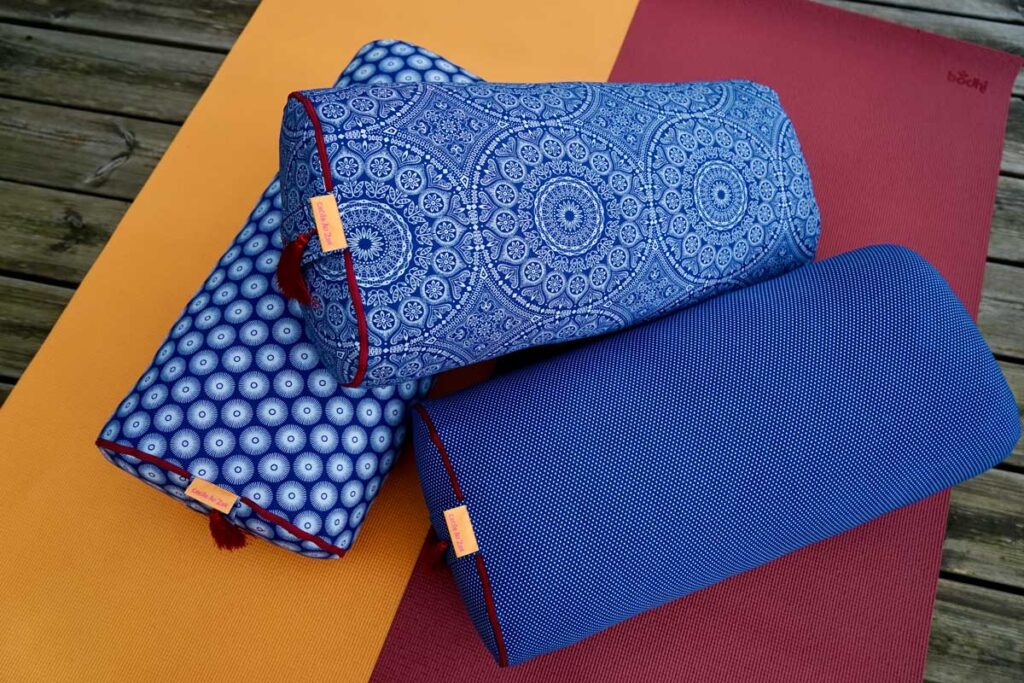
Crafted from cotton, shweshwe is characterized by its repetitive geometric patterns and vibrant colors, which were historically dominated by indigo blue but are now also available in a wider range of colors.

Introduced in the 19th century by European settlers and missionaries, shweshwe was adopted and reinterpreted by local communities, notably the Xhosa, Sotho, and Tswana. Today, it is produced locally in South Africa and used for traditional wedding dresses, school uniforms, festive attire, as well as in contemporary African and international fashion. It remains a strong symbol of South African culture, history, and identity, while being appreciated worldwide for its dense cotton and unique design.

Plant-based dyes

Locally made by Cecile Au Zen

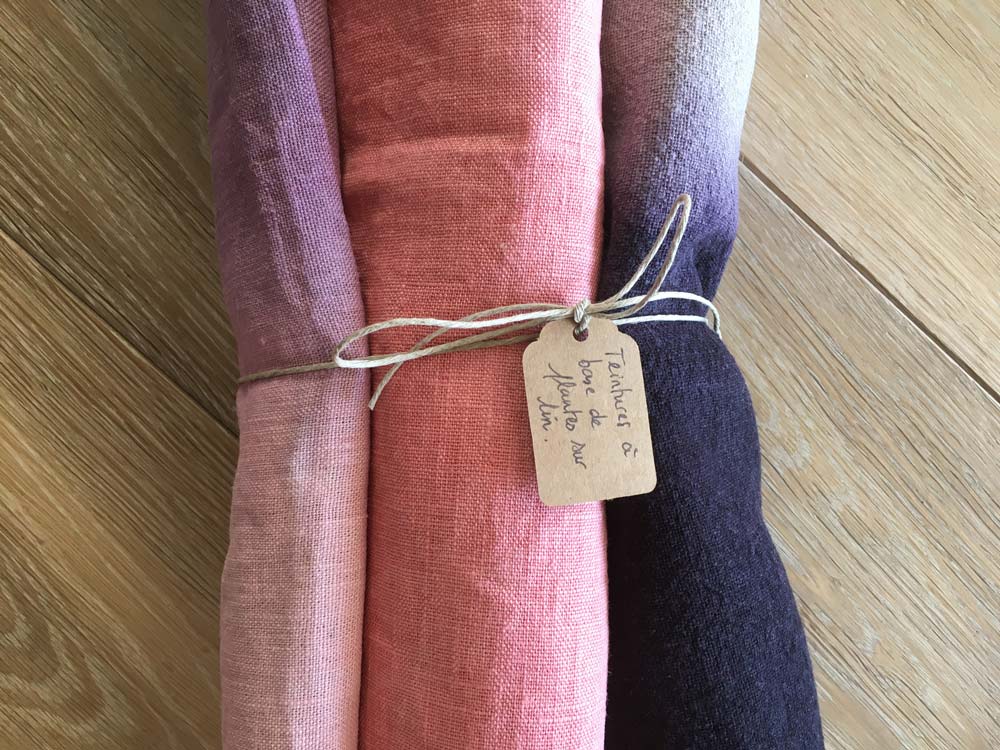
Plant-based dyeing, practiced in many cultures around the world, involves extracting natural pigments from plants—such as leaves, roots, flowers, bark, or fruit—or carminic acid from cochineal insects to color textile fibers.

The success of plant-based dyeing does not depend solely on the richness of natural pigments; it also depends on the fibers’ ability to permanently fix the color. This is where mordanting comes in—an essential step that improves color adhesion, fastness, and stability. Long supplanted by synthetic dyes, it is now experiencing a resurgence of interest, particularly due to the search for more sustainable, environmentally friendly processes that make use of local resources.

Special Projects

Yoga studios and holistic centers

Discover the creations currently available

Each piece, crafted by hand, combines precise craftsmanship with a harmonious blend of colors and shapes to become a truly exceptional object.

A desire, an idea, an emotion you want to bring to life?

Each piece, crafted by hand, combines precise craftsmanship with a harmonious blend of colors and shapes to become a truly exceptional object.